Android watches finally receive Fitbit’s smartest battery-saving feature.
Nov 19, 2026
Battery life on Android smartwatches has improved in recent years, but the gains have been minimal, especially on Google Pixel and Samsung Galaxy wearables. Google has continued to push changes that matter to watch owners, including a more efficient processor and optimized Wear OS. The latest change is smaller than a hardware redesign, but it may help people who track outdoor workouts: compatible watches can use the location signal from a connected phone instead of relying only on their own receiver.
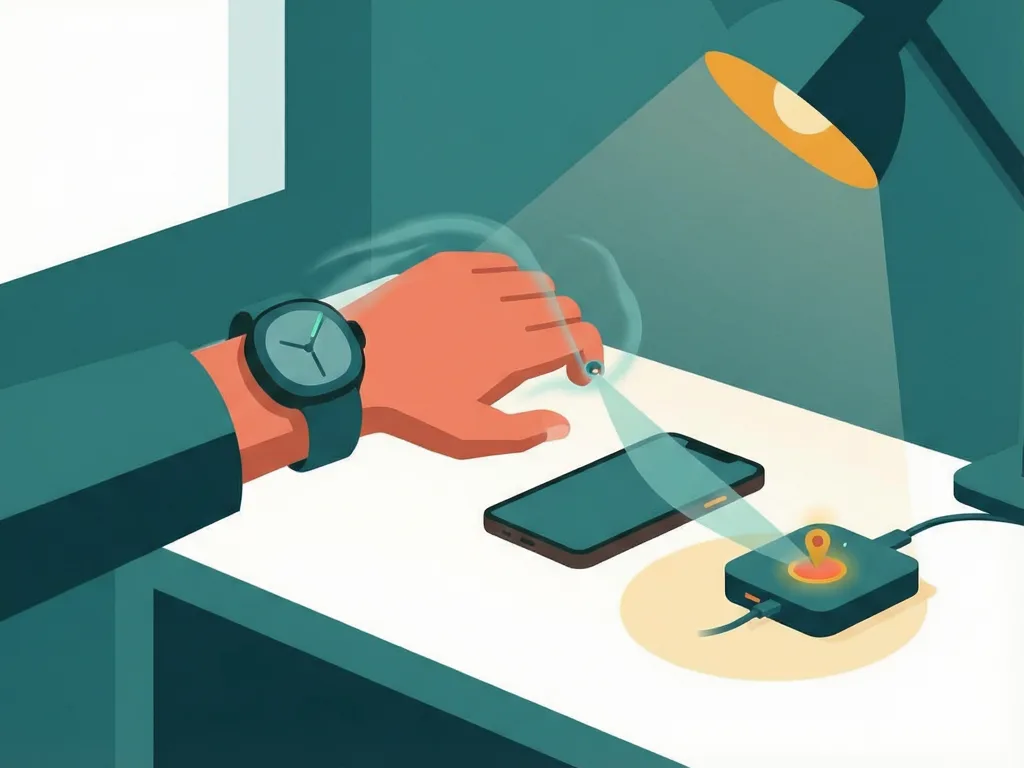
What Google just changed for smartwatch battery life
A Google Play services update, version v26.45, dated 2026-11-16 and recently rolled out, was spotted by Android Authority. The update allows watches to use a smartphone’s Global Navigation Satellite System to track location during outdoor workouts or runs.
The Health & Fitness section of the update says, for both phone and wear devices, that the watch can use the phone’s Global Navigation Satellite System to track location and help conserve watch battery life when the phone is not in Battery Saver mode. A Global Navigation Satellite System is the broader term for satellite-based positioning. It includes the Global Positioning System used in the United States.
Why borrowing a phone’s location signal can help a watch last longer
Many Android watches ship with built-in Global Positioning System hardware. That is useful because the watch can track workouts outside the home without being connected to a smartphone. The problem is that satellite location tracking is one of the biggest battery-draining activities on a watch, especially because watch batteries are very small.
If the watch can rely on the connected phone’s satellite location tracking instead, it may spend less power doing the same job. The exact benefit is not known from the update details. The report says users could see modest to substantial gains, particularly if they do outdoor workouts regularly.
Which watches are likely to get the new location-saving feature
The update does not specify which Wear OS smartwatches will receive the feature first. The expectation is that Google will roll it out to select Pixel Watch and Galaxy Watch models soon.
The feature is not entirely new to the Google wearable world. Some Fitbit trackers and watches, such as the Fitbit Edge, already use the same idea through dynamic Global Positioning System tracking. Wearables with no built-in satellite location hardware, such as the Fitbit Air, always rely on a connected smartphone’s location system.
How the setting might work in the Google Health app
In the Google Health app, under device preferences, wearers can choose to use dynamic Global Positioning System tracking, which uses positioning from the Fitbit Edge and the phone. The app also offers options to use only the device’s own location system or to limit tracking to the phone’s location system.
If Google brings the same idea to Pixel Watches and other supported wearables, users may see comparable controls. That would let a runner decide whether the watch should handle location tracking alone, whether the phone should handle it, or whether the two should work together.
What Wear OS 7 adds beyond the phone-location feature
The dynamic location option is not the only battery improvement Google has shipped. Wear OS 7 also includes a notable battery-life enhancement. Google said the major update should give users up to 10% more battery than in Wear OS 6.
Combined with other improvements, Pixel Watches should get more runtime than before. The report says that added runtime can be enough to give users another day or more, or to reach the level of Garmin or even the OnePlus Watch 3, while also calling the change a welcome boost.
What this means for readers who exercise outdoors
For a user who runs, walks, or cycles outdoors with a phone, the update points to a simple idea: let the phone do the energy-heavy location work when possible, and save the watch battery for the screen, notifications, heart-rate tracking, and other tasks. The benefit depends on how often the watch is used for outdoor workouts, whether the phone is connected, and whether the phone is not in Battery Saver mode.
For readers who mostly use their watch away from a phone, the change may feel less important, because the phone cannot supply location data. Still, the broader Wear OS 7 battery improvement and the more efficient processor direction suggest that Google is trying to close the gap between Android watches and longer-running fitness devices without asking users to carry a larger watch.
Related Apps



Recommend Apps