Here Is Our Ranking of Every Magic: The Gathering Set Released This Year
Nov 19, 2026
For Magic: The Gathering, another set year has ended. The year contained seven releases, from Lorywn Eclipsed through Star Trek, and the sets did not all succeed equally. Reactions ranged from excitement to disappointment, but each release also had strengths. The key issue is whether those strengths were outweighed by the problems that followed.
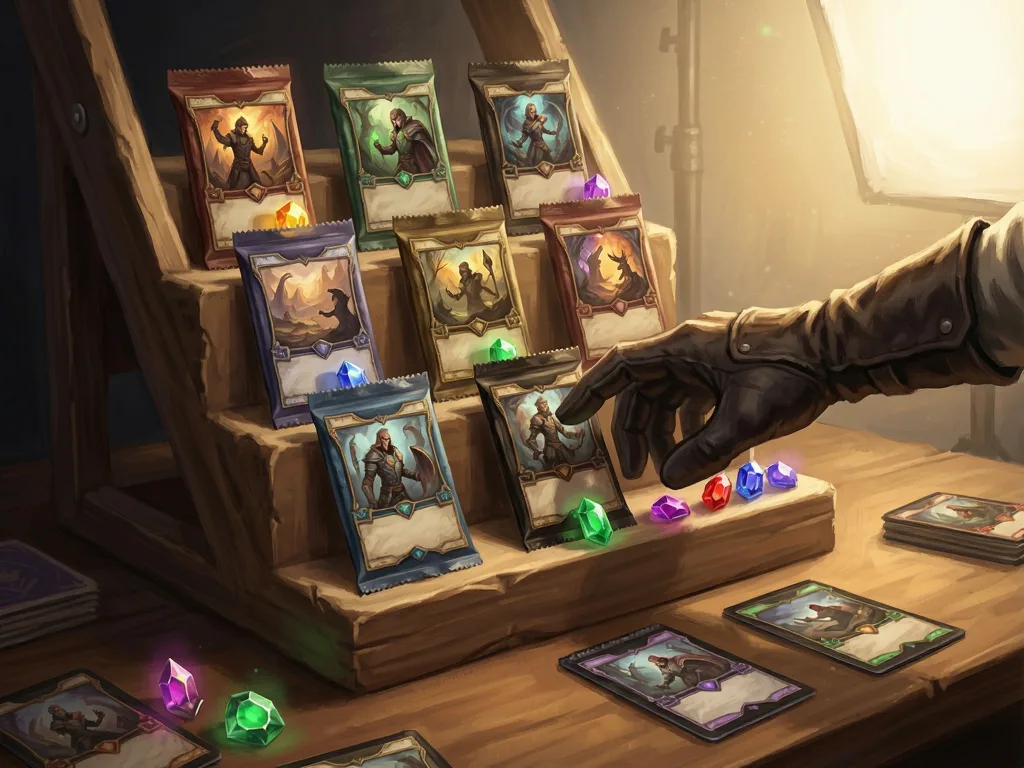
The ranking weighs the entire product range, fan reception, draftability and impact across formats, mechanical design and artistic design. Here, draftability means how well a set works in Limited booster play, while format impact asks whether cards find a home in Standard, Modern, Commander or Eternal play. The list closes the 2026 conversation and points forward to what Magic may bring in 2027.
No. 7: Star Trek — Good Drafting, Poor Timing, and Availability Problems
What it did well
Star Trek is easy to enjoy in Limited play. A player does not need to know the property's lore deeply for the mechanics to feel solid. The mechanics were described as resembling EOE 2, and the prerelease experience was positive enough that attendance did not noticeably drop for the reviewer, although reports from around the world suggested a different picture.
The Commander precon decks also deserve credit. We Are The Borg is one of the better decks released this year, and Landing Party is also strong. The other two precons are less memorable unless the player is willing to make considerable upgrades.
Where it fell short
Star Trek's biggest weakness was timing. The set arrived just six weeks after Reality Fracture, a capstone set that ended the years-long in-universe story arc. That proximity hurt the release.
Stock problems made it worse. Product availability was at its worst for this set. Every set in the year had some kind of issue, but every Star Trek product had confirmed availability problems in some regions, and the Beginner Box was canceled because the situation became so bad.
Thematically, the art and lore did not blend as smoothly as many other Universes Beyond sets. The same criticism will appear again elsewhere in the 2026 ranking. That was surprising because EOE seemed to pave the way for Star Trek to feel at home in Magic. The complaints about the art are fair, but not because the art is low quality or unattractive. The issue is that it does not always match what players expect from Magic artwork.
Outside draft, few cards appear ready to make a large impact in Standard, Commander or Modern. Time could change that, but the current picture is not promising.
No. 6: Teenage Mutant Ninja Turtles — A Creative Idea That Did Not Lift the Whole Set
What it did well
The Heroes in a Half Shell Commander deck is not the most powerful or the outright best Commander precon of the year, but it tried something different and told a thematic story inside the deck itself. From a lore perspective, it received more effort than the rest of the set combined. That makes it fun to play, and it can be enjoyed without changes.
Teenage Mutant Ninja Turtles is also a fun drafting set. The reviewer's prerelease experience was less fun because of poor local attendance, but drafting later through MTG Arena was enjoyable.
Turtle Team-Up was a good new product idea because it focused on cooperative play as a way to bring new players into Magic. The components could also be used to move a new player into the one-vs-one version of the game.
Where it fell short
Beyond those points, most of the set's reception was negative. Its impact on the game and across formats was minimal.
Many cards are once again character portraits. That may appeal to fans of the property, but it is not strong enough for Magic. The Kevin Eastman-signed headliner cards felt like a cash grab intended to push collector booster boxes.
The broader lesson from Teenage Mutant Ninja Turtles is that animated kids' shows may be better suited to Secret Lair drops than to serving as the centerpiece of an entire Magic set.
No. 5: Marvel Super Heroes — Collectible Appeal, Format Trouble, and Missing Names
What it did well
All four Marvel Super Heroes Commander precons are solid without changes and after some upgrades. The reviewer especially liked Avengers Assemble and Doom Previews.
Collectibility is a positive. Some card art styles are very eye-catching, and the slow release of the Infinity Stones across Magic: The Gathering gave the set a high initial value. That helped players who bought product early and then removed cards they considered valuable, keeping the essentials they needed or wanted for projects.
Where it fell short
Marvel Super Heroes truly started the debate about legendary creatures and the large number of them in Universes Beyond sets. That problem hurt draftability, and the fairly weak archetypes did not help.
Some Marvel cards did penetrate other formats, such as Hawkeye's Bow, but others went too far. Fantasticar required an immediate ban.
Scalping and the general value of sealed products created a bubble. Draft Night bundles were hard to find at manufacturer's suggested retail price in a few stores near launch. Barely two months later, at MagicCon Amsterdam, they were selling for almost half that price as retailers tried to offload stock.
For a property with many household names, too many major characters were absent. Lesser-known characters made up a sizable portion of the set, which signaled to players that favorite characters may come in future sets or may already have appeared in one of the 10 or so Secret Lair bundles released since Marvel Super Heroes launched.
No. 4: Lorwyn Eclipsed — A Strong Return With Limited Long-Term Format Impact
What it did well
The lead-up to Lorwyn Eclipsed's launch set a new standard for how in-universe sets are handled compared with Universes Beyond sets, and the reviewer liked that approach.
The set offers a great draft experience and a strong prerelease window. The failure of Spider-Man may have helped, but Lorwyn Eclipsed still had to perform, and it did.
Both Commander precons are solid. Dance of the Elements is one of the stronger precons in recent memory once the player understands what the deck is trying to achieve and how Ashling, the Limitless' Evoke ability benefits it.
The card art is fantastic. It still ranks behind every set above it, but it is light-years better than the three sets preceding it. The lore is strong, though it would have been better connected to the overarching story of Jace, the Multiverse and the eventual destination of Reality Fracture. Much of the flavor and lore arrived outside the set rather than directly through the cards.
Lorwyn Eclipsed also introduced the Draft Night product. It has become a staple for all releases and remains a good value for groups of four who want to run a draft and give the winner a prize.
Where it fell short
Lorwyn Eclipsed has poor long-term viability. By the end of 2026, its effect on Standard felt quite limited, although a few cards were still hanging on in some popular meta decks. The upcoming Standard rotation could change that.
The booster fun side of the card design is a little boring. There are some nice cards, but the forced introduction of a serialized chase card felt a bit nauseating, and some variants felt restricted rather than creatively free. Japanese fractured foils, for example, did not really fit the feel of the set, raising the question of why they were included.
No. 3: The Hobbit — Excellent Limited Play, Smaller Format Reach
What it did well
The Hobbit ranks among the reviewer's favorite drafting experiences, and the set's smaller size helped make it work. That same size also explains why other aspects were less liked, but it was a strong fit for Limited and produced a brilliant prerelease.
The art is incredible and fits both Magic and Tolkien well. That balance is not often found in Universes Beyond sets.
The set strengthened exciting creature types such as Dwarves, Goblins and Dragons. That makes it fun to build decks only from the set, while also helping decks across many formats, especially Commander.
The product lineup was strong. Scene Boxes were among the first of their kind to be worth collecting.
The Hobbit also opened the door to powerful reprints. Mox Amber was among the Eternal cards released in the set. While not confirmed, the set feels like a test run for future Mox cards and other iconic Vintage cards returning as reprints. That could bring market prices down and make those cards easier to collect overall.
Where it fell short
The Hobbit is a smaller Standard set, so it felt light on cards and did not have much chance to affect Standard or Commander, even though its size helped drafting.
The gold, numbered Smaug card was not needed. The controversy it caused around prices and sales supports the view that serialized products do not belong anywhere near Magic: The Gathering.
No. 2: Secrets Of Strixhaven — Lore, Art, and Precons at Their Best
What it did well
Secrets Of Strixhaven is one of the best sets for lore in recent years. The surprise drop of "Off the Record" kicked off intrigue about what Reality Fracture would eventually become, and the storytelling continued through podcast episodes and into the cards themselves.
The art is phenomenal throughout the set; the visual presentation never feels off-tone, and the set is well worth collecting for art alone.
The draft experience is excellent because each kit includes a Strixhaven College seeded pack. That gives drafters a direction for their deck. The downside is that a player may not get a preferred college if they already have one in mind.
The Mystical Archive bonus sheet is a favorite, and it returned even better. Japanese and Silver Scroll variants created huge chase cards that can freshen decks across Eternal formats.
Card variants felt well suited to Strixhaven and did not default to forced template designs. From field notes to borderless showcase cards, each variant fits the feel of the set.
There is a Commander precon for each Strixhaven College, and none are bad. Each deck leans into a unique Magic strategy, and the prices make them easy to collect without breaking the bank. For players who like upgrading precons, the decks can be raised in power level, but they are also great for casual play without changes.
Where it fell short
A very nitpicky point is the Codex Bundle. Its introduction triggered a ripple effect in in-universe sets, which now include a limited premium bundle that feels unnecessary. Original gift bundles are still used for Universes Beyond, so either bring those bundles back into in-universe sets or leave the experiment alone. Releasing more limited products can simply make them targets for scalpers.
No. 1: Reality Fracture — The Capstone That Made the Year Feel Complete
What it did well
Reality Fracture delivered everything, and the ranking says that no set could do it in quite the same way except a capstone Magic set. Everything felt important, everything felt meaningful, and once players had the cards, the gameplay experience was unmatched in 2026.
The drafting was incredible. The Echoed Pairs mechanic enhanced the experience, letting normal Play Boosters pop off with big cards, while the set's playability in Limited made it one of the best prerelease events ever.
The final note turns toward the lore leading up to Reality Fracture, but the text stops before expanding on that point.
What readers should take from the 2026 rankings
The 2026 ranking suggests that a set's reception depends less on a single mechanic and more on release spacing, product availability, format impact, art identity, and whether lore lives in the cards. Universes Beyond sets can succeed when mechanics and presentation feel Magic-like, but can fall short when product problems, collector tricks, or thin format impact dominate. In-universe sets such as Secrets Of Strixhaven and Reality Fracture benefited from stronger storytelling, cohesive art, and products that support both Limited and Commander play. The failure of Spider-Man, the timing of Star Trek, the scalping around Marvel Super Heroes, and the smaller footprint of The Hobbit show how release choices and product choices shape fan reception as much as card design.
For readers, the practical takeaway is to compare sets on what they want to do: draft, play Commander, collect art, follow the story, or build a Standard deck. The list also points to 2027, when Magic's next releases will be judged against the same standards.
Related Apps





Recommend Apps