I transformed my old Android phone into a $50 smart display, and it now runs my entire home.
Nov 21, 2026
What the setup does
An aging Android phone can still be useful even if it is no longer a daily driver. Android’s flexibility makes it easy to repurpose an old device instead of trading it in or passing it on to another family member. One less common option is turning it into a smart display.
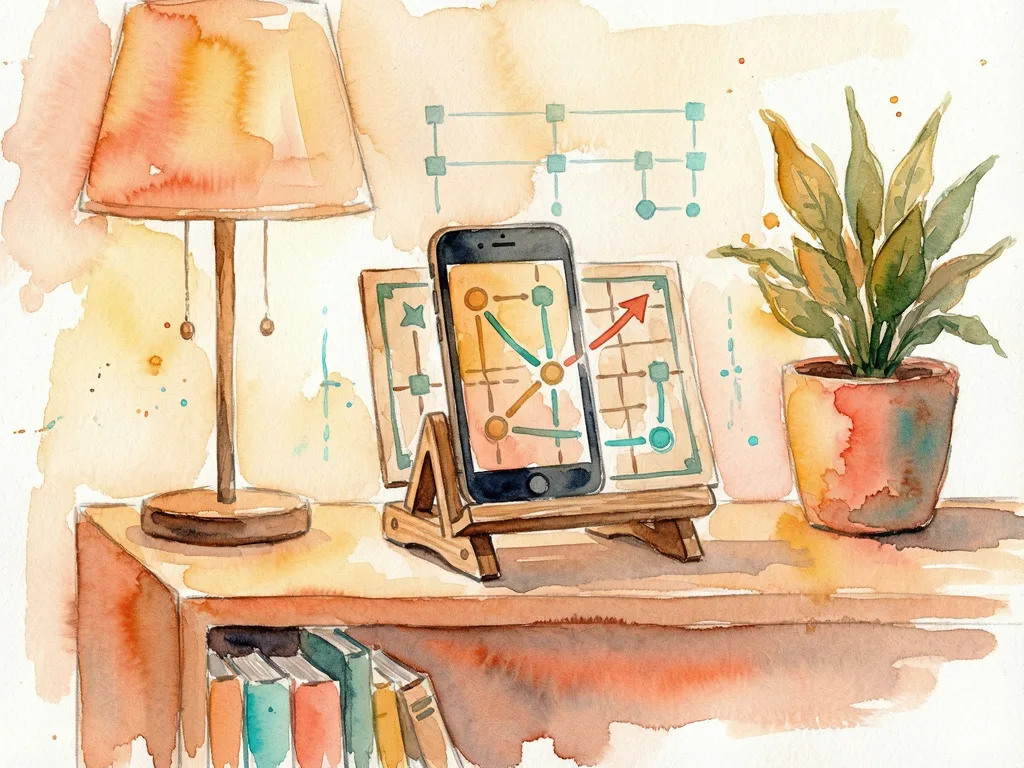
Phones do not offer the same large screen space as tablets, but a few settings changes and a roughly $50 accessory can close that gap. After testing Samsung and Google Android devices, the author found that they can serve as surprisingly effective alternatives to dedicated smart displays such as the Pixel Tablet or Amazon Echo Show.
Why a portable monitor can become the key
The idea began when the author bought a portable monitor last month to use as an on-the-go workstation alongside a Galaxy Z Flip 7 and Pixel 9 Pro XL as a laptop alternative. That setup soon revealed another possible use: turning the monitor into a smart display for the living room, kitchen, or bedroom.
The main requirement is an Android phone that supports Samsung DeX or Android Desktop Mode. These modes let the phone connect to a portable monitor, spare display, or TV. Samsung devices have an added advantage because the phone itself can act as a touchpad, removing the need for a separate mouse.
A touchscreen-enabled portable monitor is even more convenient. Those monitors usually cost more than $100, but they can work without a dedicated mouse or keyboard connected to the phone.
Which Android phones can support it
Samsung phones are some of the cheapest devices with DisplayPort support. In the past, very few phones offered video output, but the number of compatible models has grown. Most of them can be found for low prices without paying several hundred dollars.
The Galaxy S21 FE is one of the cheapest Samsung phones with DeX. Another option is the Galaxy S20 Ultra. The author checked the market and found that most used units are priced at about $100.
The setup also works with any device running Android 16 or Android 17 that supports DisplayPort Alt mode. That includes the Pixel 8, Pixel 9, Pixel 10, and newer Pixel 11 models. In addition, any Galaxy or Motorola phone that supports a desktop interface can be used for a do-it-yourself smart home display setup.
How to connect the phone to the display
To connect everything, a USB-C to HDMI or Type-C to Type-C cable is needed to send video to a portable monitor. If the monitor has a Type-C port that supports both charging and display, a USB-C hub can power the phone while also carrying the video signal.
In the author’s setup, a USB 4.0 Type-C cable connected the Galaxy Z Flip or Pixel device, and another USB cable powered the monitor. For displays that do not include a USB-C port, the monitor must be powered using its own cord.
The Galaxy Z Flip 7 was used more often through DeX because the platform is popular and DeX is more mature than native Android Desktop Mode.
How to keep the screen awake
After connecting a Galaxy phone, the first setting to check is the screen timeout. This prevents the connected tablet-like display from locking and keeps it awake.
DeX and Android Desktop Mode do not include a simple built-in way to keep the phone and connected monitor awake forever, or to stop the panel from dimming and locking after a set time. The maximum native screen timeout is 60 minutes, and the minimum interval is 15 seconds.
There is a useful toggle called Keep screen on while viewing. It uses the front-facing camera of the connected Galaxy device to check whether a person is actively looking at the screen. However, if the user walks away or no user is detected, the display falls back to the set screen timeout.
For a more permanent solution, a developer option can keep the phone and connected monitor active at all times. To enable it, open Developer Options and turn on the Stay awake toggle.
Keeping the screen on constantly is not strictly necessary. Another option is to remove the phone’s lock screen security so the device wakes quickly. Alternatively, a lock screen animation can be set so the screen continues showing time, calendar, and weather widgets.
How to customize it as a smart home hub
Android offers more flexibility than a typical smart hub because it can be customized. With DeX or Android Desktop Mode, up to four workspaces can be created, each with a different set of apps.
The author uses one desktop for streaming anime through Crunchyroll and another for smart home apps, including Google Home, V380 for security cameras, and Xiaomi Home. These utilities are kept in a 2x1 layout, and DeX allows each window to be resized freely.
Each desktop can be arranged however the user wants. One app can be kept full-screen, or two apps can be placed side by side. With a touchscreen monitor, available buttons and shortcuts can be tapped to navigate or toggle a specific accessory, such as a light bulb, or an appliance, such as an air-conditioning unit and TV.
Without a touchscreen, the Galaxy phone can act as a touchpad, or a $10 mouse can be used if it connects wirelessly or through a cable.
How widgets make it feel like a dedicated display
The author also likes that DeX allows widgets to be arranged on the home screen. That makes the setup feel closer to a real smart display, much like the Pixel Tablet.
The test layout included clock, calendar, Gemini, photo, News, and YouTube Music widgets. Repositioning is somewhat rigid, so the resize handles were used to move the widgets into place on the grid. It took a few minutes to reach the target layout.
The author wonders why Samsung or Google has not added support for easily dragging and dropping home screen widgets with a mouse. If a Galaxy tablet is repurposed as a smart home hub, that limitation would not be an issue.
Another quirk is that only one customized home screen can be set. The same collection of widgets appears across other desktops or workspaces, regardless of which apps are open. That is not a dealbreaker because multiple widgets can still fit on a single screen, but independent customization for each workspace would be better.
What this means for readers with an old Android phone
The author did not expect the portable monitor setup to be more enjoyable than using DeX as a laptop alternative. The resulting smart home display setup now provides easy access to reminders, news, weather, and time while relaxing in the living room.
Accessing smart home controls through Google Home, SmartThings, and Xiaomi Home is also quicker than searching for and fetching a phone from another room. The setup is a proven way to transform an old Android phone into a capable smart home device without spending money on a new standalone tablet.
Related Apps


Recommend Apps