A customer sues Samsung for $200,000 after the company offers $800 and keeps her burned Galaxy S21.
Nov 26, 2026
What the complaint says happened
Jennifer Kravchuck, a Florida woman, is taking Samsung Electronics and T-Mobile to court over claims that her Galaxy S21 5G spontaneously caught fire and left her with permanent scars.
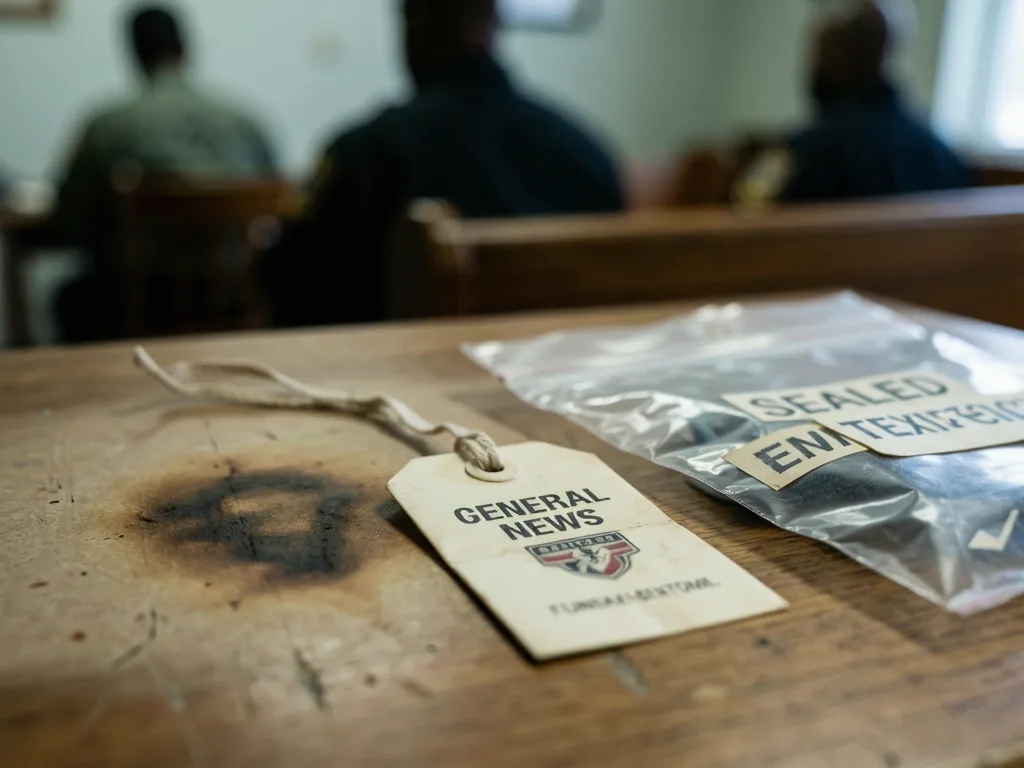
Reports citing The Biz say Kravchuck purchased the unlocked Galaxy S21 5G from a carrier store in DeLand, Florida, in March 2022. Nearly two years later, on March 21, 2024, the phone allegedly experienced a thermal runaway event during normal, unmodified use. The device is said to have burned her left side, requiring emergency medical treatment and resulting in permanent scarring.
Why the $800 offer became central to the case
Kravchuck filed a product liability lawsuit against Samsung Electronics and T-Mobile on September 20, seeking $200,000 in damages.
Samsung contacted her in November 2024 to investigate. The company asked her not to factory-reset the phone and provided specialized packaging so the device could be sent to its engineering facility in Plano, Texas, for analysis.
About a month later, Samsung reportedly offered $800 for the phone on the condition that Kravchuck sign a legal waiver. She rejected the offer and requested the return of the device, citing personal medical records stored on it. The phone has not been returned, and the results of Samsung’s investigation have not been publicly disclosed.
A legal waiver generally means a written agreement in which someone gives up or limits future claims in exchange for something, often money. That is why the reported $800 offer is not just a price for a used phone. It could also affect whether the lawsuit continues.
The phone itself may also matter as evidence. If it contains personal medical records, returning it is not only a convenience issue. It can also affect privacy and access to information that may be relevant to the case.
Why thermal runaway matters in a smartphone
Incidents involving smartphone batteries overheating or catching fire are rare but not unheard of across the industry. Lithium-ion batteries can experience thermal runaway under certain conditions, though manufacturers design multiple safeguards to prevent it.
In this instance, the claims center on whether a defect existed and how the companies handled the aftermath.
Thermal runaway describes a chain reaction in which heat inside a battery triggers more heat, causing the battery to overheat, vent, swell, burn, or ignite. For readers, the basic question is not simply whether smartphones can catch fire, because rare failures do happen. The more important question is whether a particular device failed because of a defect, misuse, manufacturing variance, or another cause.
The lawsuit’s factual core is what happened to the Galaxy S21 5G on March 21, 2024, and what the companies did after the phone was taken for analysis.
Why the case may move from state court to federal court
Samsung and T-Mobile have sought to move the case from state court to federal court. A federal judge has asked the companies to first demonstrate that the matter meets the requirements for federal jurisdiction.
The lawsuit remains ongoing, and the allegations have not been proven in court.
This procedural step matters because state court and federal court follow different paths, and jurisdiction questions can take time before the case reaches deeper factual issues. For the parties, a federal case could affect discovery, motions, and the overall timeline. For the public, the key point remains simple: the court has not found that the Galaxy S21 5G was defective, and the companies have not publicly disclosed the investigation results.
What the story means for readers
The case combines three issues that many people care about: battery safety, settlement practices, and how evidence is handled after a device fails.
A $200,000 damages claim suggests the injury is serious and long-term. A reported $800 offer for the phone, paired with a legal waiver, suggests the dispute is not only about the device but about ending claims. The fact that the phone was not returned and the investigation results were not publicly disclosed adds uncertainty.
For consumers, the practical lesson is not that every Galaxy S21 5G is dangerous. The incident is alleged and unproven. Instead, it shows what can happen when a product dispute moves into legal territory: a device may become evidence, personal data on the device may become a privacy issue, and a settlement offer may carry legal consequences beyond the dollar amount.
The case also shows why public safety questions around lithium-ion batteries need careful fact-finding, not quick conclusions.
Related Apps






Recommend Apps