I switched from Samsung Notes to Google Keep, and here is why.
Nov 27, 2026
Samsung Notes and Google Keep are both strong note-taking apps, but they appeal to different types of users. For a long time, Samsung Notes was my go-to app because it worked well with the S Pen, could handle PDF documents directly, and used Galaxy AI to summarize memos with a single tap.
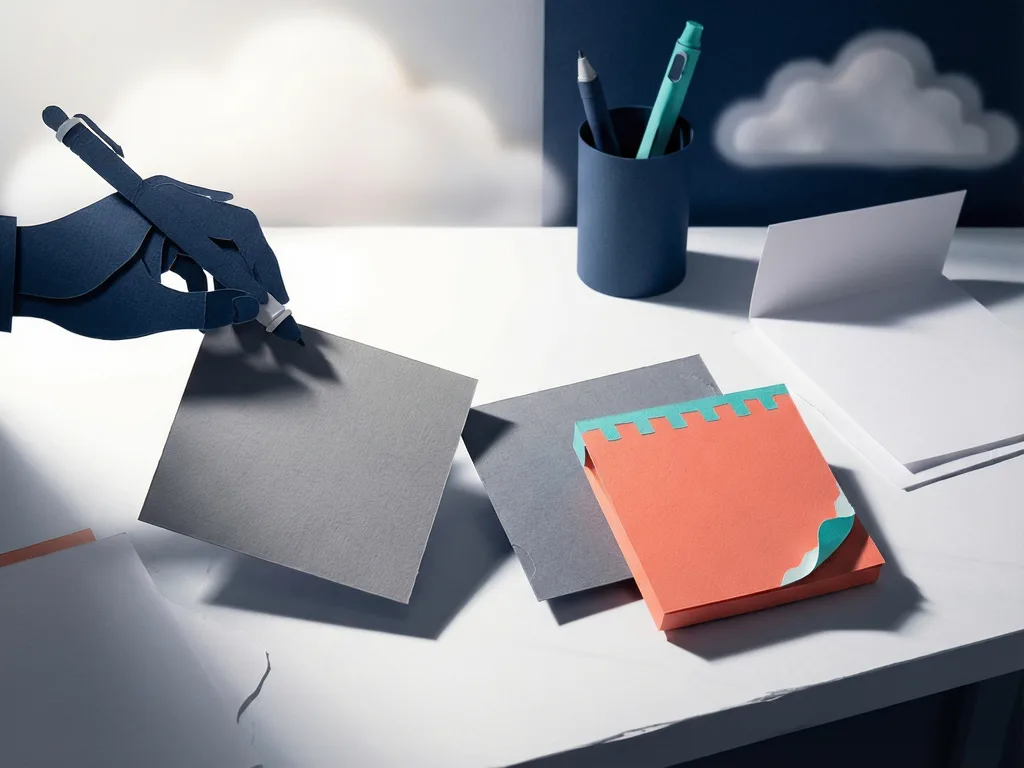
Despite those features, I recently switched to Google Keep, and I have not looked back since. As a heavy Google Workspace user, I found that Keep gave me the things I needed most: an easy-to-navigate interface, seamless collaboration, and close integration with other Google apps.
What changed when I moved from Samsung Notes to Google Keep
The switch was not about one missing feature. It was about how well each app fit into my daily workflow.
Samsung Notes has clear strengths. The S Pen makes handwritten notes feel natural, the app can open and work with PDF documents directly, and Galaxy AI can summarize memos quickly. For users who stay inside the Galaxy ecosystem, those features are very useful.
Google Keep won me over for a different reason. It helped me manage tasks, notes, and ideas without pulling me away from the rest of my work. Because I already use Google Workspace often, Keep felt like a natural extension of the tools I already depended on.
The result was not just a change of app. It was a change in how I organize information, access it, and work with other people.
How Google Keep turns notes into a visual dashboard
One of the biggest differences is organization.
Samsung Notes uses a traditional folder-based layout. Notes are stored inside folders, much like files in a desktop file management system. That structure is clear and orderly, but for me it felt rigid. When I needed to move between projects, priorities, and quick reminders, the folder system slowed me down.
Google Keep feels looser. Instead of forcing every note into a fixed folder, it uses colors and labels. I can apply multiple labels to a single note, which makes it easier to group ideas in more than one way.
This visual system works well for quick decisions. I use color-labeling to turn my notes into a streamlined digital dashboard rather than burying lists and jottings inside folders.
For example, I can color-code notes by priority:
- blue for later or someday;
- yellow for this week or notes that need follow-up;
- red for today or sections that require immediate attention;
- green for completed tasks.
I can also use colors to separate personal and professional notes. Green might be for family reminders or a grocery list, while pink could be for brainstorming ideas. Important notes can be pinned at the top so they stay visible while I juggle different lists and projects.
Why a simpler interface mattered more than more tools
Samsung Notes has an intuitive and sleek interface, especially for devices in the Galaxy ecosystem. It supports many functions, including folder organization and handy formatting options.
For me, though, the problem was that the interface had too many tools. The extra options made the app feel messy and cluttered. While those tools can be useful, I often found myself toggling between preferences instead of simply writing down a thought. That interrupted my line of thinking.
Google Keep has a clean and streamlined interface. It does not show multiple rows of menus and buttons. Instead, it displays only what I need to take or access notes. That makes it easier to focus.
The app also opens directly into a blank canvas. I do not have to choose a title or folder first. Once the note is open, I can choose the type I want: photos, checklists, text, or voice memos.
I mostly use text notes for quick ideation, project notes, or analyzing random quotes. The jotting experience in Google Keep feels more eye-catching and immediate than in Samsung Notes.
What Gemini adds inside Google Keep
I am not always a fan of how Gemini appears across Google apps. But inside Google Keep, it feels different and useful.
Gemini in Keep does more than help store notes. It helps me create, access, and organize notes quickly. Before I started using it, I could easily forget ideas when notes for different projects began to surge. Now I can retrieve information from my notes or connect ideas more easily.
It works like an assistant that understands context across my Google Workspace.
For example, last week I asked Gemini to compile a list of all the documents required for a building permit application in Keep, and it created a handy list. I also asked it to create a list of the things I need for my work as a freelancer when I am away from my desk. It created a useful list that included my laptop, power bank, router, external hard drive, and more. I did not have to Google anything or type everything out myself.
Another useful feature is that Gemini in Keep can connect with other Google apps such as Docs and Gmail. If I ask it to find items in a long email thread, it can create a checklist in Keep. I do not have to scroll through the whole thread manually.
Samsung Notes also supports Gemini, and it can summarize, create, or search memos through the Gemini app. But that experience is not the same as having the AI assistant built directly into Google Keep.
How keyboard shortcuts improved speed and focus
I tried using a Bluetooth mechanical keyboard with Samsung Notes on my Samsung Galaxy Tab S8 and with Google Keep on a Windows PC. Both apps can work with external physical keyboards, but they differ in shortcut menus, typing lag, and note-taking speed.
Samsung Notes has some shortcuts for switching notes and formatting. Google Keep, however, has an advantage for users who want full keyboard access. It supports several hotkeys for pinning notes, adding labels, and navigating notes, especially on the desktop version.
I also found typing in Keep faster and less cluttered because of its lighter interface. I can quickly format a to-do list or write notes, which improves my productivity.
Some shortcuts I use include:
- C to create a new note;
- L to create lists;
- Ctrl + G to shift between list and grid views.
These shortcuts may seem small, but they matter when I want to capture an idea quickly without leaving the keyboard.
Why collaboration mattered more than file sharing
Samsung Notes can share notes and memos as PDFs or files. But it does not offer a comment thread or real-time collaboration for users in the Google ecosystem. That was a major reason I moved all my shared projects to Google Keep.
Because Keep is part of Google’s tools, it lives alongside Google Calendar, Google Docs, and Gmail. I can access Keep from whichever of those apps I am using.
This makes teamwork easier. I often share multiple to-do lists with colleagues who are also in the Google ecosystem. The quick syncing feature lets us stay on the same page or co-edit in real time.
That is useful for brainstorming sessions, teamwork projects, and sharing ideas with friends or other team members.
For example, if an email conversation with a client leads to a scheduled meeting, I can create a Google Calendar event from Gmail and then save the link in Google Keep with talking points or the meeting agenda. This keeps the event’s notes and agenda in one place.
Why cross-platform access solved a real limitation
Compatibility was another important factor.
Samsung Notes is mainly tied to Samsung Galaxy devices and the Windows OS. That works well for users who stay inside the Galaxy ecosystem and also use Windows computers. But it limits use for people like me who sometimes use Linux.
Google Keep is available on the web, iOS, and Android. That makes it an all-around option for users who move between different devices or operating systems.
This cross-platform support means I no longer worry about being locked to one ecosystem just to access my notes. I can open the same information from different places and keep working.
What this switch means for readers choosing a note-taking app
The move from Samsung Notes to Google Keep is not a claim that one app is universally better. Samsung Notes remains strong for users who want S Pen support, direct PDF handling, and Galaxy AI summarization inside the Galaxy ecosystem.
But for readers who already work across Google apps, need simple visual organization, want real-time collaboration, and care about cross-platform access, Google Keep may be the more practical choice.
The main lesson is that a good note-taking app should match the way a person works. Accessibility, cross-platform compatibility, and simplicity were must-haves for me. Google Keep’s clean interface, collaboration features, and integration with the Google ecosystem made it fit my workflow better.
The balance between simple design, visual organization, keyboard support, AI assistance, and cross-platform access made the app feel practical, intuitive, and easy to use.
Related Apps



Recommend Apps