Google's early Android 17 Quarterly Platform Release 2 should be your cue to switch to Pixel.
Nov 23, 2026
Google Rolls Out Android 17 QPR2 to Pixel Phones a Month Early With More Than 200 Security Fixes
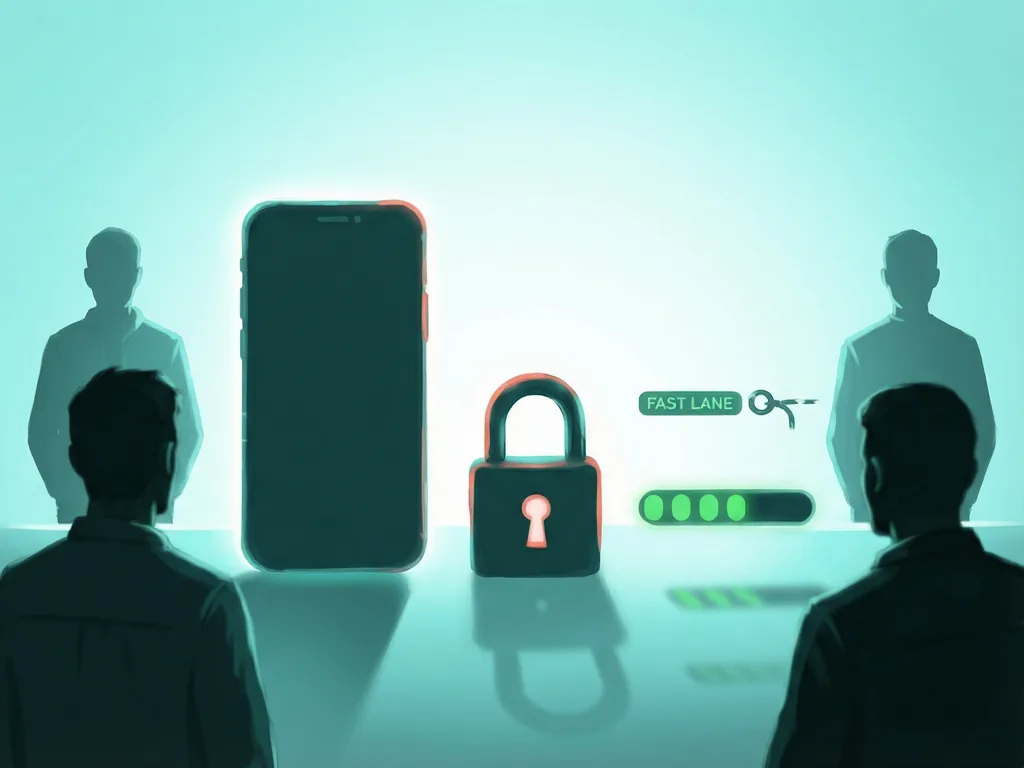
Why Pixel owners are getting the update first
If you own a Samsung, OnePlus, or Motorola phone, the pattern is familiar: Google announces a new Android update, Pixel owners start sharing screenshots within days, and everyone else waits. That wait can last months. Sometimes a feature never reaches your phone at all if it does not make it into your manufacturer’s version of Android.
This month, the difference between Pixel phones and other Android phones is especially noticeable. On November 10, Google began rolling out the stable Android 17 QPR2 to Pixel phones, about a month earlier than the usual December window. The update arrived alongside the November Pixel Drop and security patch.
That single download brings several things at once. It includes a custom color picker, a reworked status bar settings page, an Auracast-powered voice broadcast feature, and fixes for more than 200 security bugs.
The update is not limited to the newest Pixel flagships. Every Pixel back to the Pixel 6a, a phone released in 2022, is eligible. That raises a practical question: do you really need to switch to a Pixel to enjoy the latest Android features?
How Google got the update out early
Android 17 QPR2 was expected in December, but it arrived before that window. The version was not built entirely from scratch. QPR2 Beta 1 reached Pixel users as far back as July 20. Later beta builds followed, including Beta 7.1 in October, one week after the last preview version, with no user-facing changes. By then, testing for QPR3 had already begun.
The broader timeline helps explain the schedule. Android 17 launched on June 16, 2026. QPR1 launched on September 15. QPR2 arrived in less than two months, together with the Google November Pixel update.
There are two parts in this release. QPR2 is the system update that brings core system functionality and APIs. Pixel Drop adds features made only for Pixel devices. This month, both arrived together.
For users already in the beta program, moving to the stable update is simple: leave the beta and install the update without losing data.
Why Google can move faster than other phone makers
A few years ago, Google changed how Android is built, adopting what it calls trunk-stable development. In that model, every engineer works on one shared branch of code, and new features are turned on with flags when they are ready.
That approach gave Google more confidence to ship updates faster and more often without breaking the system.
Starting with Android 16, Google also moved its major Android release from the third quarter of the year to the second quarter and added a minor release with new developer APIs in the fourth quarter. Google’s stated goal was to align updates more closely with device launches, so more phones could receive new Android versions sooner.
Google has not said why QPR2 arrived a month earlier than usual, but the first group to benefit is clear. Pixel phones are the only Android phones where Google controls the hardware, the software, and the update pipeline. That means Pixel devices can receive a release the day it is finished.
Other manufacturers do not have that direct path. They must merge Google’s code into their own software, test it on their own devices, and often wait for carrier approval before users receive anything. The faster Google moves, the larger the head start becomes for Pixel phones.
What Pixel owners actually get from Android 17 QPR2
One of the main changes in Android 17 QPR2 is the new theming experience. The new color picker in Wallpaper & Style gives users more options to explore, with four intensity levels: Bold, Bright, Soft, and Neutral.
Depending on the system theme, compatible options are also available in both Light and Dark versions.
The update also improves the status bar settings page, which previously had limited functionality. Users can now choose whether to display all notifications, priority notifications, or none at all. They can also turn vibrations and battery percentage on and off individually.
The voice broadcast feature is still described as a preview. It broadcasts the phone’s microphone, or connected headphones, wirelessly by transmitting the user’s voice to nearby devices using Bluetooth Auracast. In simple terms, it works like a small public-address system.
Foldable phone owners get a window handle that lets them drag apps around in full-screen, split-screen, and floating-bubble modes. Pixel 11 Pro-series owners also get a feature that makes the rear light glow when their favorite contacts text them.
Security fixes and long-term support
The November patch covered more than 200 Android bugs across two patch levels, including 166 bug fixes for Pixel devices.
Google noted that the critical bug addressed this month is a framework flaw that enables remote code execution without any user action. That means the vulnerability could be triggered without the user having to do anything directly, making it a serious issue for phone security.
The update also fixes several smaller problems. The list includes missing keyboards in the search bar, spontaneous increases in media volume while using voice commands, charging icon fidgeting when the device is not connected, and stuttering scroll behavior.
Device support is also broad. QPR2 supports 23 devices across six Pixel families, from the Pixel 6a up to the latest Pixel 11 model. That is useful for people who prefer to keep one phone for years.
Why Samsung owners still wait
The features Pixel owners received in Android 17 QPR2 are not locked to Google forever. QPR2 is a platform release, so its code eventually becomes part of other manufacturers’ versions of Android.
For Samsung Galaxy owners, the relevant version is One UI 9.5. It is expected to be built on Android 17 QPR2 and to arrive with the Galaxy S27 series in early 2027.
Samsung opened the One UI 9.5 beta on November 17, one week after Pixel phones received the finished update. The beta is limited to the Galaxy S26 series, and it is still a beta. Samsung has not said when the stable release will arrive.
Samsung’s announcement focuses on camera controls, health tools, and App Lock. It does not highlight the theming and status bar changes that Pixel owners just received.
Last year’s pattern shows how long the wait can be. Google released Android 16 QPR2 to Pixel phones on December 2, 2025. Samsung’s version, One UI 8.5, opened as a beta six days later. The stable version did not start rolling out until May 2026, and it first reached newer, high-end Galaxy phones.
If that pattern continues, Google may already be moving on by the time One UI 9.5 reaches Galaxy phones. Pixel owners are testing Android 17 QPR3, which is due in March 2027.
What this means for readers
Android updates are not just about new buttons or color options. They are about when you get them, how long your phone stays supported, and whether your manufacturer can match Google’s pace.
Pixel phones benefit from the shortest delay because Google controls the whole chain. Other manufacturers can adopt the same underlying code, but they still need to adapt it, test it, and deliver it through their own update systems.
Every other manufacturer works from code Google has finished, on a timeline Google sets. They can shrink the gap, but they cannot close it. If you want Android’s newest features the day they are ready, the source’s conclusion is straightforward: get a Pixel.
Related Apps





Recommend Apps